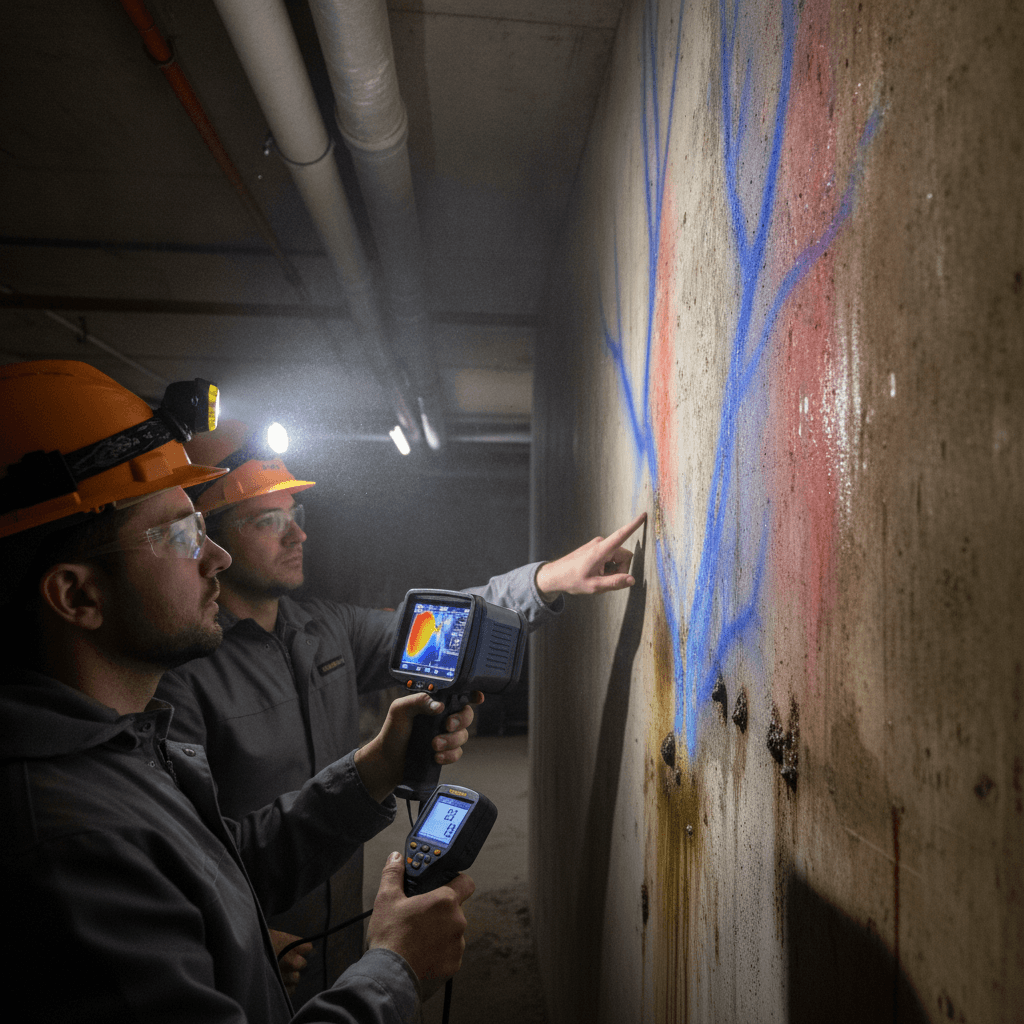
Water leaks are a sneaky enemy for any homeowner. They can hide in plain sight or deep within your walls and foundations, causing silent damage that grows worse over time. I have seen firsthand how easily these unseen problems can turn into expensive and stressful repairs if not caught early. It is a challenge because we do not always know what to look for or where these leaks might be hiding.
Many homeowners associate leaks with obvious drips or puddles but structural leaks often manifest more subtly. They might appear as faint discolorations or strange odors. Recognizing these early indicators is crucial for protecting your home’s integrity and your peace of mind. Learning how to spot these issues can save you from significant headaches later on.
This article aims to equip you with the knowledge needed for spotting unseen structural leaks in your home. I will share insights and practical tips gained from years of experience. You will learn about the common signs, where to check for problems, and the tools that can help with early detection. My goal is to empower you to safeguard your home against this silent threat.
The Subtle Signs of Hidden Water Damage
Hidden water damage often shows itself in ways that homeowners might easily overlook or dismiss. The initial signs are rarely dramatic but they are vital clues. I always tell people to pay close attention to any changes in their home environment. These small shifts can point to a much bigger problem brewing beneath the surface. It is about being observant and understanding what these subtle indicators truly mean.
Discoloration on walls or ceilings can be a major red flag. This might be a yellowish or brownish stain that slowly expands. You might also notice bubbling paint or peeling wallpaper in areas where there is no obvious explanation. These visual changes happen when water seeps through building materials. They are a clear sign that moisture is present where it should not be.
Another strong indicator is a persistent musty smell. This odor often points to mold or mildew growth which thrives in damp, dark conditions. If you smell something damp and earthy but cannot find the source, it is very likely a hidden leak. We sometimes get used to these smells over time but they are not normal and should prompt an investigation. Catching these signs early helps prevent serious structural damage and unhealthy living conditions in your home.
Visual Discoloration and Material Changes
Water stains are perhaps the most common visual cue of a hidden leak. These stains can appear on ceilings, walls, or even floors. They often start small and grow larger over time. I have seen many instances where a small discolored patch was the first warning of a significant pipe leak or roof issue. The color of the stain can vary from light yellow to dark brown depending on the age of the leak and the materials involved.
Beyond simple stains, water can also cause physical changes to your home’s surfaces. Paint might bubble up and peel away from the wall. Wallpaper can loosen and curl at the edges. Wood flooring or baseboards might start to warp or buckle. These changes happen because water weakens the adhesive in paint and wallpaper or causes wood to swell. I always suggest inspecting areas around windows, doors, and plumbing fixtures for any such signs because these spots are frequently vulnerable.
Even small cracks in plaster or drywall can sometimes be linked to water damage. While cracks can have other causes, if they appear alongside other moisture signs, they deserve attention. These material changes show ongoing water exposure. It is important to act quickly when you see them because delay allows the damage to spread and worsen.
Persistent Musty Odors
A musty odor in your home is never a good sign. It almost always means that mold or mildew is present. These fungi thrive in damp environments so a continuous musty smell suggests a hidden moisture source. The smell can be particularly strong in closed-off areas like basements, crawl spaces, or cabinets. You might also notice it intensifying on humid days.
The danger with mold is not just the smell or the damage it causes to materials. Mold spores can also impact air quality and potentially cause health problems for your family. I always recommend addressing musty smells promptly. This means finding the source of the moisture and eliminating it. Masking the smell with air fresheners does not solve the underlying problem.
Sometimes the smell is subtle at first so you might only notice it when you return home after being away. Trust your nose. If you detect a consistent damp or earthy odor where it does not belong, it is time to investigate. This persistent smell is a strong indicator of a hidden structural leak and demands careful inspection to protect your home and health.
Understanding the Common Sources of Structural Leaks
Knowing where structural leaks commonly originate helps homeowners focus their inspection efforts. Leaks do not just appear out of nowhere. They usually come from specific weak points in a home’s construction or plumbing system. I have found that most hidden leaks can be traced back to a few key areas that are constantly exposed to water or wear and tear. Understanding these common sources is a proactive step in preventing extensive damage.
Roofs are a primary culprit especially after heavy storms or over time as materials age. Damaged shingles, faulty flashing around chimneys or vents, and clogged gutters can all lead to water penetration. Another common area is plumbing. Pipes inside walls, under sinks, or within slab foundations can develop small cracks or loose connections. These can drip unnoticed for months or even years.
Foundation cracks also allow water to seep into basements or crawl spaces. Window and door seals can degrade, permitting rainwater to enter the wall cavities. Even appliances like water heaters, washing machines, or dishwashers can develop slow leaks that are not immediately visible. Paying close attention to these high-risk zones is part of effective leak detection. It helps you pinpoint potential problems before they escalate into major issues.
Roof and Attic Vulnerabilities
Your roof is the first line of defense against rain and snow but it is also one of the most common places for leaks to begin. Damaged or missing shingles can leave sections of your roof exposed. Flashing around chimneys, skylights, and vents can become cracked or loose. This creates openings for water to seep into the attic space below.
Clogged gutters also play a significant role in roof leaks. When gutters are full of debris, rainwater cannot drain properly. It can then back up and overflow, often seeping under the roofline or behind siding. I always advise homeowners to keep their gutters clear especially before rainy seasons. Regular attic inspections are vital too. Look for water stains on the wood, damp insulation, or mold growth. These are clear indicators of a roof leak that needs immediate attention.
Even small leaks in the attic can eventually make their way down through your ceilings and walls. It takes time for water to travel so the visible damage in your living space might be far from the actual source on the roof. This is why a thorough inspection of the attic is so important. It can reveal the leak long before it becomes obvious indoors.
Plumbing and Appliance Failures
Plumbing systems are complex and hidden pipework makes leak detection challenging. Pipes behind walls, under floors, or in slab foundations can suffer from corrosion, small punctures, or loose fittings. These leaks are often slow and subtle but they can cause extensive damage over time. You might only notice a small drip or a faint sound of running water when no faucets are on. You can learn more about the warning signs of a hidden water leak by checking out some useful resources.
Household appliances that use water are also common sources of hidden leaks. Washing machines can have leaky hoses. Dishwashers might develop issues with their seals or connections. Water heaters can slowly leak from their tanks or relief valves. These leaks often go unnoticed because the appliances are in utility closets or basements where small puddles are not always immediately visible. Regular checks around these appliances can help you spot issues early.
Even refrigerator ice makers or garbage disposals can be culprits. A tiny leak from an ice maker line can damage kitchen flooring. A faulty disposal can send water under the sink and into cabinets. I always recommend checking under sinks and behind appliances periodically. This simple routine can prevent significant water damage and save you from costly repairs.
The Importance of Regular Inspections for Early Detection
Regular inspections are your best defense against the destructive power of unseen structural leaks. Many homeowners only think about leaks when they see visible damage but by then, the problem has usually progressed. I cannot stress enough how much time, money, and stress you can save by being proactive. A small, consistent effort in checking your home can prevent a minor issue from becoming a catastrophic one. Early detection is not just about convenience. It is about preserving the safety and value of your property.
Think of it like routine car maintenance. You do not wait for the engine to fail before you change the oil. Similarly, you should not wait for water stains to appear before you check for leaks. Incorporating simple checks into your quarterly home maintenance schedule can make a huge difference. These inspections do not need to be exhaustive or involve specialized equipment at first. Just being observant and knowing where to look is a powerful tool.
If you catch a leak when it is still small, the repair is often straightforward and inexpensive. You might only need to tighten a pipe or seal a small crack. If you let it go, you could be facing extensive drywall replacement, mold remediation, or even structural repairs. So, making regular inspections a habit is a smart investment in your home’s future.
DIY Inspection Checklist
Performing your own basic leak detection checks does not require special skills. I recommend setting a reminder to go through this list every few months. A flashlight is your best friend during these checks. Here are some key areas to inspect:
- Check under all sinks for dampness or drips.
- Look at ceilings and walls for any discoloration or texture changes.
- Inspect around windows and doors for peeling paint or warped frames.
- Examine the base of your toilets and around shower or tub seals.
- Go into your attic to look for water stains on insulation or wood.
- In the basement or crawl space, search for damp concrete or puddles.
- Check hoses and connections for washing machines and dishwashers.
- Listen for unusual sounds like dripping or running water when no fixtures are in use.
You can also use a simple moisture meter for more precise readings in suspicious areas. These devices are relatively inexpensive and easy to use. They help confirm if a patch of drywall or wood is indeed wet. Keeping a log of your findings can also be helpful over time.
When to Call a Professional
While DIY inspections are valuable, there are times when professional help is essential. If you detect a musty odor but cannot find the source, a professional has advanced tools to locate it. If you see significant water damage or suspect a leak behind a wall, it is best to call an expert. Professionals use specialized equipment that homeowners typically do not have. This includes thermal imaging cameras, acoustic leak detectors, and industrial-grade moisture meters.
These tools allow them to pinpoint the exact location of a hidden leak without tearing apart your walls or floors. This saves you from unnecessary repair costs and minimizes disruption to your home. I always recommend contacting a plumber or a leak detection specialist if you are unsure about a suspicious sign or if the problem seems beyond a simple fix. Their expertise can accurately diagnose the issue and ensure proper repair. It gives you peace of mind knowing the problem is handled correctly.
How Leaks Compromise Your Home’s Structure
An unseen structural leak does far more than just create a wet spot. It actively works to undermine the very bones of your home. Water is a powerful force, and when it is allowed to seep and sit, it can cause devastating damage over time. I have seen homes where seemingly small leaks led to major structural failures. This is why I emphasize early detection so much. The integrity of your home relies on keeping water out of its core components.
One of the most common issues is wood rot. Many homes are framed with wood, and constant moisture exposure causes this wood to decay. This can weaken floor joists, wall studs, and roof trusses. If these structural elements rot, your home can become unstable. Another problem is corrosion, especially for metal components like pipes and fasteners. Water exposure accelerates rust. This weakens these parts over time, potentially leading to further leaks or structural compromise.
Foundations are also at great risk. Water can penetrate concrete, causing it to crack and erode. Hydrostatic pressure from excessive soil saturation can push against foundation walls, leading to bowing or cracking. These issues can compromise the stability of your entire house. Ignoring a leak for too long can transform a minor repair into a complete structural overhaul, which is incredibly costly and disruptive.
Wood Rot and Deterioration
Wood is a primary building material in most homes. It forms the skeleton of our structures in walls, floors, and roofs. When wood is repeatedly exposed to moisture from a hidden leak, it becomes an ideal breeding ground for fungi that cause wood rot. This process weakens the wood fibers, turning solid beams into soft, crumbly material. I often find this damage in attics, crawl spaces, and behind water-stained drywall. The wood literally loses its ability to support weight.
The danger is that wood rot often starts in unseen areas. It can begin within a wall cavity or under a subfloor. By the time you notice sagging floors or crumbling baseboards, the rot might be extensive. This deterioration directly impacts your home’s stability. Rotted floor joists can cause floors to become bouncy or unsafe. Weakened wall studs can lead to cracks in drywall and a compromised wall structure. Addressing the moisture source and replacing the rotted wood is essential to restore structural integrity.
Replacing structural wood is a complex and labor-intensive process. It often requires opening up walls, floors, or ceilings. This is why preventing wood rot through early leak detection is so important. Protecting your wood framing means protecting the entire stability of your home.
Foundation and Concrete Damage
Your home’s foundation is its bedrock, so any damage to it is a serious concern. Water from unseen leaks can have a profound impact on concrete foundations. Prolonged exposure to moisture can cause concrete to expand and contract. This leads to cracks and erosion over time. Even small cracks can widen and allow more water to enter. This creates a vicious cycle of damage. I have seen how quickly a small foundation leak can become a significant issue.
Beyond direct erosion, water can also create hydrostatic pressure around your foundation. If the soil around your home becomes saturated with water from a persistent leak, that water will press against your foundation walls. This pressure can cause basement walls to bow inward, crack, or even collapse. It can also lead to water seeping into your basement or crawl space. This adds further moisture problems and potential mold growth.
Repairing foundation damage is one of the most expensive and invasive home repairs a homeowner can face. It often involves excavation, crack injection, or reinforcing walls. The best approach is to prevent water from reaching your foundation in the first place. Addressing any suspected leaks, especially those near the ground level, is critical for maintaining the long-term stability and safety of your home’s foundation.
Technology and Tools for Detecting Hidden Moisture
Finding unseen structural leaks can feel like searching for a needle in a haystack but modern technology makes the task much easier. Gone are the days when extensive demolition was the only way to locate a leak behind a wall or under a floor. I often use these advanced tools to pinpoint problems precisely. They help minimize damage during the investigation process. These innovations allow for non-invasive or minimally invasive inspections. This saves homeowners significant repair costs and hassle.
Thermal imaging cameras are a prime example. They detect temperature differences on surfaces. Water evaporating from a hidden leak will create a cooler spot on a wall or ceiling. This temperature difference is invisible to the naked eye but easily seen with a thermal camera. Acoustic leak detectors listen for the faint sounds of water dripping or spraying inside walls. Moisture meters measure the actual water content in building materials. They give a clear indication of dampness.
These tools take the guesswork out of leak detection. They provide accurate data that helps professionals identify the exact source of the problem. This precision means repairs can be targeted. It limits the amount of demolition needed. Understanding these technologies helps you appreciate the value a professional leak detector brings to the table.
Thermal Imaging for Temperature Differences
Thermal imaging cameras are incredibly useful for spotting unseen leaks. These cameras do not see water directly. Instead, they detect tiny differences in surface temperature. When water escapes from a pipe or roof, it causes a slight temperature change in the surrounding materials. Evaporation also cools a surface. So, a wet area behind a wall or ceiling will often appear cooler than the dry areas around it on a thermal image.
I find thermal cameras especially effective because they are completely non-invasive. You can scan walls, ceilings, and floors without cutting into them. This means less disruption and expense if no leak is found. The camera produces a real-time image that shows these temperature variations. It lets us trace the path of the moisture back to its source. It is like giving us X-ray vision for water problems. This technology has revolutionized how we approach hidden leak detection.
Thermal imaging is particularly helpful in situations where the leak is subtle or widespread. It can reveal moisture patterns that are too faint for the human eye to detect. This early insight can lead to quicker interventions and prevent more extensive damage. It is a powerful tool for homeowners and professionals alike.
Acoustic and Electrical Resistance Methods
Acoustic leak detectors are another invaluable tool, especially for plumbing leaks. These devices use highly sensitive microphones to listen for the sound of water escaping from pipes. Even a small drip or a slow trickle creates a distinct sound that specialized equipment can pick up. These sounds are often inaudible to the human ear, especially when they are behind walls or underground. Professionals can use these detectors to pinpoint the exact location of a pipe breach with great accuracy. This minimizes the need for extensive digging or wall removal.
Electrical resistance moisture meters directly measure the moisture content in materials like drywall, wood, and concrete. They work by sending a small electrical current through the material and measuring the resistance. Water conducts electricity better than dry materials, so a lower resistance indicates higher moisture content. There are pin-type meters that insert small pins into the surface and pinless meters that scan the surface without leaving marks.
Both acoustic and electrical resistance methods offer specific advantages. Acoustic detection is excellent for pressurized pipe leaks. Moisture meters are superb for confirming the presence of dampness and tracking its spread in building materials. Combining these technologies provides a comprehensive approach to finding and evaluating unseen structural leaks. This ensures thorough and effective detection and repair.
Protecting Your Home from Costly Leak Repairs
Spotting unseen structural leaks early is one of the most impactful ways to protect your home and your finances. I know from experience that vigilance pays off immensely. The quiet nature of these leaks means they often go unnoticed for months, allowing significant damage to accumulate. Taking proactive steps to identify and address these issues ensures your home remains safe and sound.
Regular home inspections, both DIY and professional, are not just good practice. They are essential for long-term home preservation. Knowing the common warning signs and understanding where leaks typically originate will empower you as a homeowner. Do not wait for a major water stain or a strong musty odor to appear. By then, the problem has likely escalated. Using available technology and knowing when to call an expert makes all the difference in preventing catastrophic damage.
I encourage every homeowner to make leak detection a priority in their maintenance routine. Be observant, trust your senses, and do not hesitate to investigate any suspicious signs. Protecting your home from unseen structural leaks means safeguarding your investment and providing a healthy living environment for your family. Start today by looking for those subtle clues. Your home will thank you for it.