
Living independently as we age is a desire many of us share, but it comes with its own set of considerations. I have seen countless individuals, including my own family members, value their autonomy above almost everything else. Maintaining a sense of security while honoring that independence is a delicate balance. This is where modern solutions come into play, offering a bridge between freedom and safety.
I understand the concern that safety measures might feel intrusive or signal a loss of personal control. However, I believe that embracing tools like personal alarms can actually boost confidence and extend the time we can comfortably live in our own homes. These devices are not about taking away independence. They are about providing a reliable safety net, so seniors can continue their routines with peace of mind. We all want our loved ones to be safe, and sometimes a simple button can make all the difference.
Empowering Independence with Personal Safety Devices
When I think about living independently, I imagine feeling secure in my daily environment. For many seniors, this means knowing help is readily available if an unexpected event occurs. A personal alarm system gives that assurance. It allows individuals to continue their hobbies, enjoy their homes, and even take strolls in their neighborhoods without constant worry.
Imagine someone enjoying a quiet afternoon in their garden and then they suddenly slip. It happens faster than we think. With a personal alarm worn around the neck or wrist, they can press a button and connect with assistance immediately. This quick response can prevent a minor incident from escalating into a serious health crisis. The alarm acts as a silent guardian, always present and ready to help.
I have heard many stories where these devices have made a profound impact. A fall in the bathroom or a sudden medical emergency in the middle of the night can be terrifying if you are alone. But with a personal alarm, the individual knows they are not truly alone. This capability significantly boosts their confidence. They feel more comfortable engaging in activities they love because they have a backup plan.
The core benefit is truly about maintaining lifestyle choices. Seniors can live their lives on their own terms. They can feel confident navigating their homes and communities. This support system provides a layer of protection that allows for greater freedom rather than restricting it. It is about enabling continued living with dignity and reassurance.
Understanding the Types of Senior Personal Alarms
The world of personal alarms for seniors has grown quite a bit, so there are many options available to fit different needs. Choosing the right one depends a lot on a person’s lifestyle and where they spend most of their time. I often find that understanding the various types helps make the selection process much clearer for families.
At-Home Systems
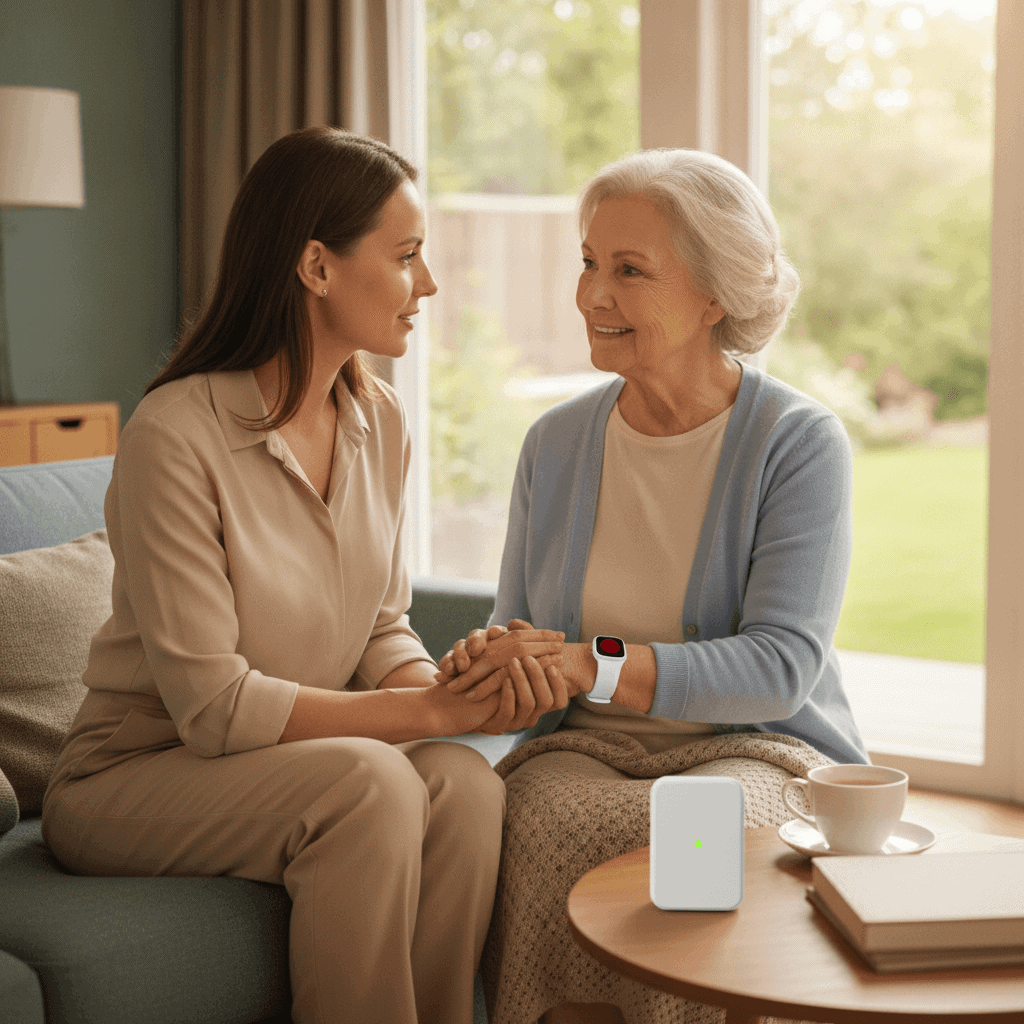
At-home personal alarm systems are typically designed for individuals who spend the majority of their time inside their residence. These systems usually include a base unit connected to a landline or a cellular network. The senior wears a lightweight, waterproof button as a pendant or on their wrist. If they need help, they simply press the button. The base unit then connects them to a monitoring center or programmed contacts.
These systems are very reliable within the home’s perimeter. Many offer extended range buttons so they can even be used in the garden or driveway. The waterproof feature is important because many accidents happen in bathrooms. I always suggest looking for clear, two-way voice communication directly through the base unit. This ensures the senior can speak directly with the dispatcher, which is a huge comfort.
Mobile and GPS-Enabled Alarms
For seniors who are more active and enjoy leaving their homes regularly, mobile and GPS-enabled personal alarms are excellent choices. These devices work anywhere there is cellular service. They have built-in GPS technology that can pinpoint the wearer’s location during an emergency. This is particularly valuable for those who go shopping, visit friends, or enjoy outdoor activities.
I see these mobile alarms as true enablers of freedom. They provide security whether the wearer is at home or out and about. If an active senior has a medical emergency while walking in the park, for example, the GPS feature allows emergency services to find them quickly. This level of protection ensures that independence does not come at the cost of safety. Many devices also offer automatic fall detection, which is an added layer of security for active seniors.
Key Features to Look for in a Reliable Personal Alarm
When I advise families on selecting a personal alarm, I emphasize a few core features that really make a difference. It is not just about having a button to press. It is about having a system that responds effectively and offers comprehensive support when needed most.
First, fall detection is a critically important feature. Many devices now have sensors that can automatically detect a fall and alert the monitoring center without the wearer needing to press a button. This is vital for situations where a person might be disoriented, unconscious, or unable to reach their pendant after a fall. I always recommend exploring this technology because it adds a significant layer of proactive protection.
Second, two-way communication is non-negotiable. The ability for the senior to speak directly with the monitoring center through their pendant or base unit provides immediate reassurance. It allows them to explain their situation, and it helps the dispatcher assess the urgency and type of help needed. This direct dialogue reduces anxiety during a stressful event and ensures appropriate assistance is dispatched quickly.
Battery life is another practical consideration that I often highlight. Mobile units need a dependable battery that lasts through the day and is easy to charge. For in-home systems, the pendant battery should last for months or even years. This means fewer worries about constant recharging. Also, reliable systems often have backup batteries in their base units. This ensures operation during power outages. So, always check those details.
Finally, consider the monitoring service itself. A good service operates 24/7. They employ trained professionals who can quickly assess situations and dispatch emergency medical services, police, or family contacts as needed. I have found that reputable companies offer clear protocols and quick response times. This is the heart of effective personal safety, ensuring help is truly there when it counts.
How Personal Alarms Enhance Family Peace of Mind
For family members, the well-being of their senior loved ones is a constant thought. Personal alarms do more than just protect the senior; they bring a profound sense of relief and peace of mind to the entire family. I understand the worry that can come with an aging parent or grandparent living alone, especially if they are far away. These systems help bridge that distance with a reliable safety net.
Knowing that a loved one has access to immediate help, no matter the time of day or night, eases a lot of anxiety. Family members can rest easier, knowing that if a fall or other emergency occurs, someone will be alerted and able to respond. This is particularly true for adult children who might live in another city or state. They cannot always be physically present, but the personal alarm provides a constant connection to care.
I have observed how these devices empower families to encourage independence without fear. Instead of constantly checking in or worrying about every single activity, they can trust the system to do its job. This allows for healthier, less strained relationships. The focus shifts from constant supervision to supportive care. So, everyone benefits from this enhanced security.
Furthermore, many modern personal alarm systems allow family members to be designated as emergency contacts. This means they receive notifications when the alarm is activated. It helps them stay informed and allows them to assist in non-emergency situations, such as if a senior needs help with a minor issue. This collaborative approach to care is something I truly appreciate because it involves everyone in maintaining safety and confidence with senior personal alarms.
Overcoming Common Concerns About Using a Senior Personal Alarm
I often hear a few common reservations when families consider personal alarms for their seniors. It is natural to have questions and even some resistance to new technology, especially when it touches on personal autonomy. But I find that addressing these concerns directly helps everyone see the real value these devices offer.
One common concern is the perception that wearing an alarm signifies a loss of independence. I believe this is a misunderstanding. In reality, these alarms are tools that *enable* greater independence. They provide the safety net that allows seniors to continue living in their homes, engaging in their routines, and maintaining their cherished lifestyles. Without this safety net, families might feel compelled to consider more restrictive living arrangements, which would truly limit independence. The alarm helps to preserve freedom, not diminish it.
Another worry often involves aesthetics or comfort. Some seniors might feel self-conscious about wearing a large or obvious device. I assure them that today’s personal alarms are designed to be discreet and comfortable. Many pendants are sleek, lightweight, and come in various styles. They blend in with everyday attire or can be worn under clothing. Manufacturers understand the need for products that are both functional and respectful of personal style. So, looks do not have to be a barrier.
Technical complexity is also a frequent concern. Seniors, and sometimes their family members, worry that the device will be difficult to use or maintain. Modern personal alarms are specifically designed with simplicity in mind. Most systems feature a single, large button that is easy to press in an emergency. Setup is typically straightforward, often handled by the provider. The focus is on intuitive operation, so technical worries can often be put aside. I always emphasize testing the system regularly, which helps build familiarity and confidence.
Choosing the Right Personal Alarm for Your Loved One
In closing, providing confidence and care for seniors living independently is a goal we all share. Personal alarm systems are more than just emergency buttons; they are powerful tools that foster self-assurance and offer invaluable peace of mind for both seniors and their families. I have seen firsthand how these devices empower older adults to maintain their cherished independence, knowing that help is always just a button press away.
I encourage you to explore the diverse options available, from reliable in-home units with broad range to mobile, GPS-enabled devices that support an active lifestyle. Consider features like automatic fall detection and two-way communication as essential components of a robust safety plan. These technologies are continually evolving, so they provide even more sophisticated and seamless protection.
Remember, the decision to invest in a personal alarm is a step towards enhancing safety, not limiting freedom. It is a proactive choice that strengthens security and reduces worry for everyone involved. I firmly believe that when we equip our seniors with these thoughtful tools, we are not just giving them an alarm; we are giving them confidence, dignity, and a longer, safer path to independent living. Take the time to research providers, compare features, and discuss the best fit with your loved one. Make an informed decision today to secure a safer, more confident tomorrow.


